
Closed Cell Spray Foam Insulation in Bryan, TX
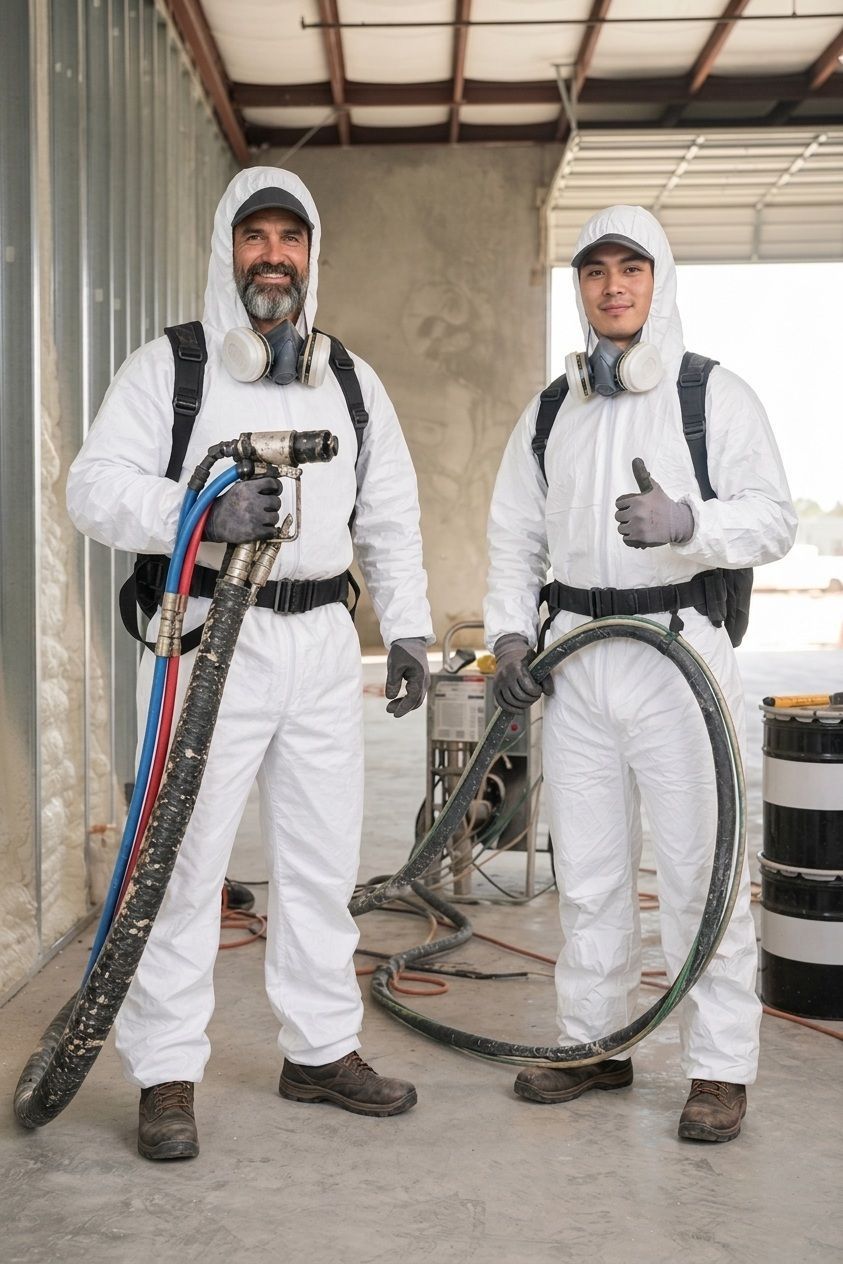
We install closed cell spray foam insulation for homes and businesses throughout Bryan, TX, helping improve thermal performance, reduce uncontrolled air infiltration, and manage air and moisture movement in areas that need a dense insulation material. Our trained spray foam technicians use professional-grade equipment and established application procedures to prepare surfaces, apply the foam at appropriate thicknesses, and maintain a safety-focused installation process.
Get a free quote
Services Available
When Closed Cell Spray Foam Makes Sense
When a project calls for high insulation performance in a limited space, this dense foam material can be an effective option. With an R-value commonly around 6 to 7 per inch, including formulations rated near 6.0, it delivers high thermal insulation while also helping reduce air leakage and moisture movement. Compared with open cell spray foam, closed cell material generally provides a higher R-value per inch and greater resistance to moisture, making it appropriate for exterior walls, roof assemblies, crawl spaces, and metal buildings in Bryan's warm, humid climate.
For older homes undergoing insulation improvements, the material can fill selected gaps and irregular areas while improving air sealing. Its rigid, dense structure can also contribute to structural support within insulated assemblies, although it should not be treated as a substitute for structural framing or engineered reinforcement. Proper material selection and application thickness depend on the building assembly, existing conditions, and applicable requirements.
Stop Energy Loss
Moisture, Air Leakage, and Insulation Performance
Bryan's hot summers and periods of high humidity make moisture management and air sealing important parts of an insulation plan. This type of foam has a dense, less porous structure that can help limit air movement and moisture vapor transmission when properly installed as part of an appropriate building assembly. It can function as an air barrier and moisture barrier in suitable applications, helping protect insulated areas from unwanted exposure and conditions that contribute to condensation.
With an R-value commonly around 6 to 7 per inch, the foam provides significant thermal resistance in relatively thin applications. Its ability to seal irregular gaps and voids can minimize heat transfer and reduce uncontrolled air movement around framing, fastener penetrations, and other openings. While open-cell materials are less dense and can provide useful sound proofing characteristics, closed cell foam is often selected when higher thermal resistance and moisture control are priorities.
24/7
Service Available
For Inquiries:
Foam Preparation and Equipment Setup
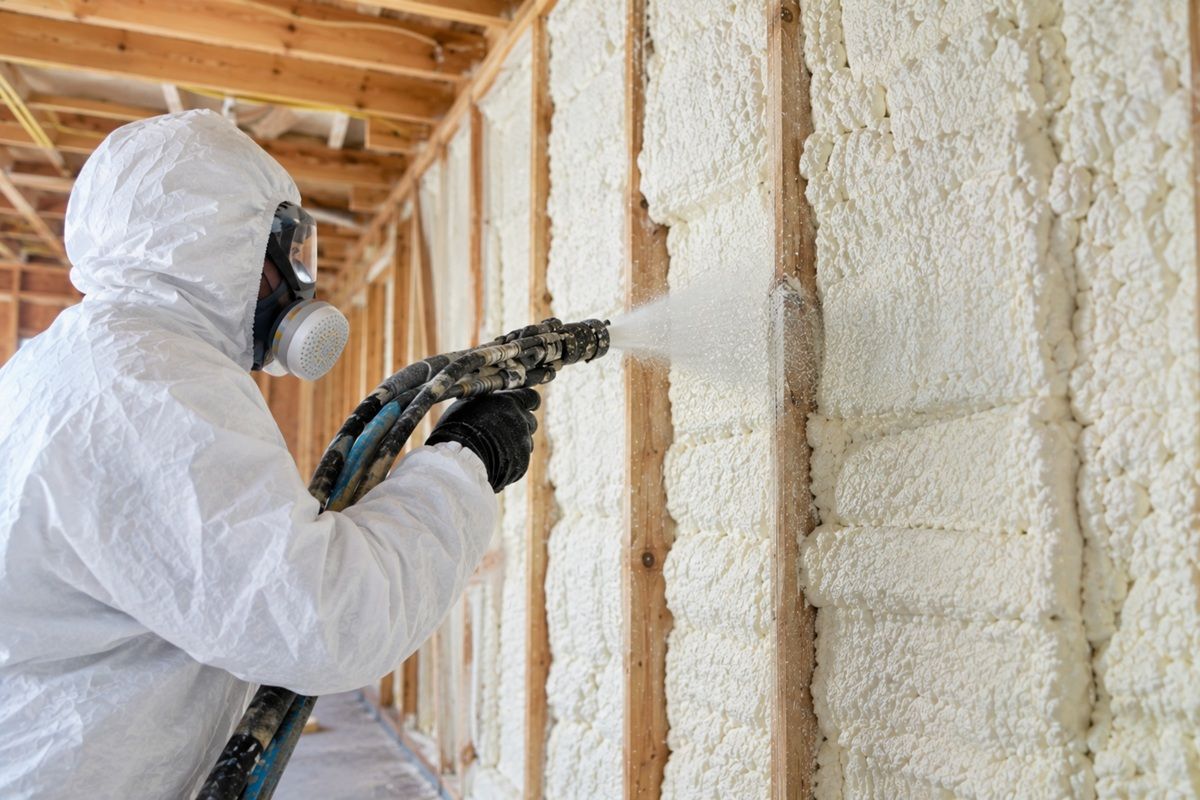
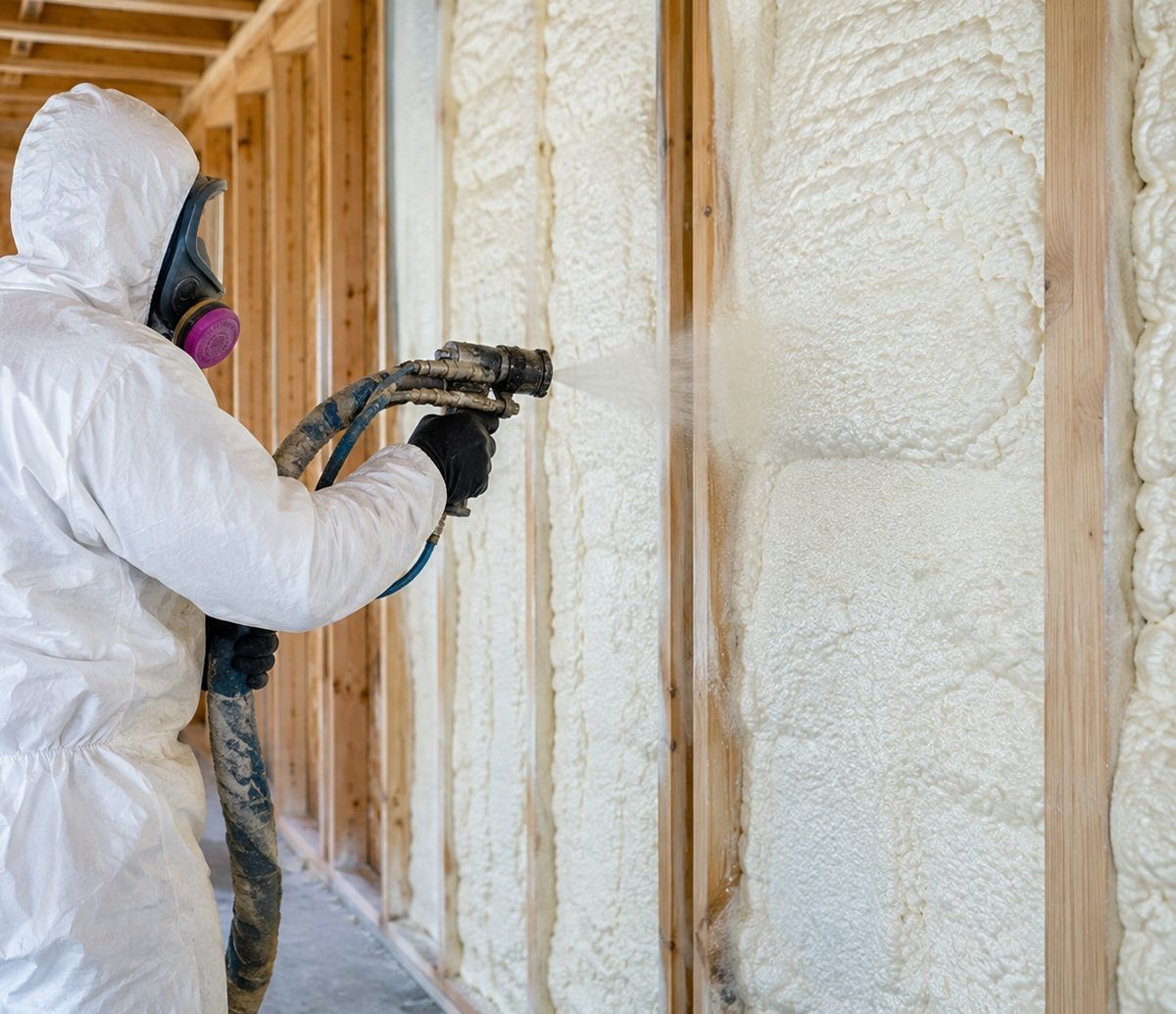
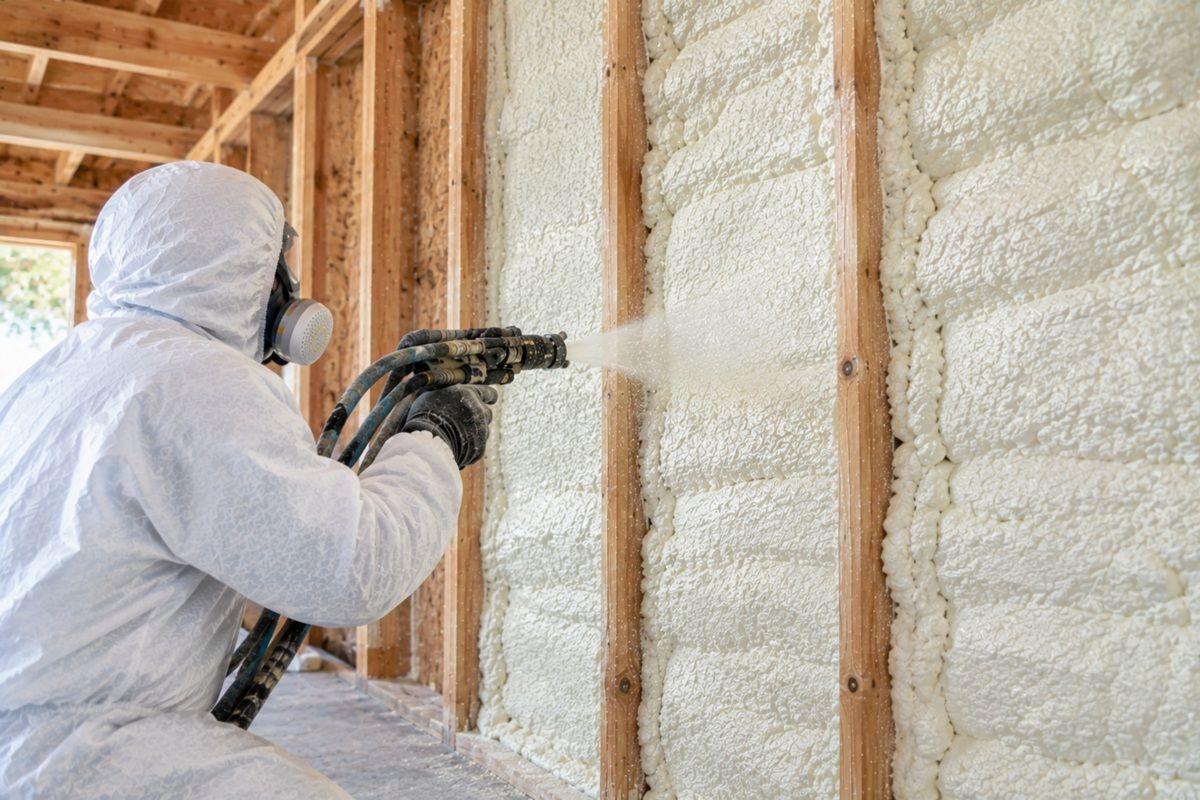
The foam is made by combining two liquid components through professional spray equipment, creating a chemical reaction that causes the material to expand and cure into a dense foam. Different spray foam formulations are available for specific applications, including open-cell and closed-cell products, so trained technicians follow manufacturer requirements, use appropriate protective equipment, and maintain proper ventilation throughout the work.
Surface Preparation and Foam Application
Before application begins, surfaces are inspected and prepared so they are clean, dry, and suitable for the material to adhere properly. Professional technicians evaluate the substrate and surrounding conditions before the foam is applied in controlled passes. Application thickness is selected according to the building assembly, project requirements, and desired performance rather than using the same thickness for every area.
Curing and Final Safety Requirements
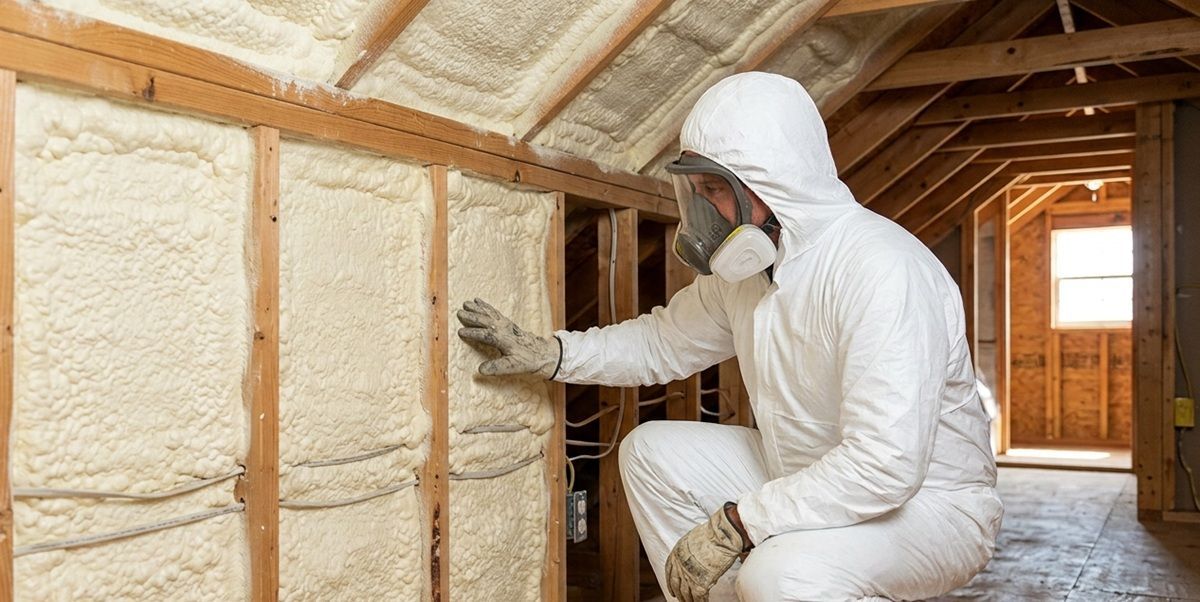
After application, the foam is allowed to cure according to the product and site conditions. Occupancy and access requirements can vary based on the product being used, ventilation, temperature, and other job-site factors, so the treated area should only be re-entered when the applicable safety guidance has been met. Where required, additional protective measures may also be needed because spray foam is not automatically fire rated simply because it is used as insulation.
Spray Foam Cost Guide
Closed Cell Spray Foam Cost Considerations
This insulation generally has a higher up-front cost than some conventional materials, with pricing commonly influenced by board-foot quantity, foam thickness, accessibility, surface preparation, and project complexity. Fiberglass insulation and cellulose may have different material and installation costs, making a professional assessment useful when comparing the right insulation for a particular home or business.
The higher material cost can be offset in some projects by improved thermal performance and air sealing, but energy savings vary by building condition, HVAC performance, weather, and other factors. Potential benefits such as moisture resistance, long-term durability, and reduced energy bills may also be important when evaluating overall value. A professional assessment can help property owners compare these factors before selecting a system.
Trusted Insulation Experts
Where Closed Cell Foam Is Commonly Applied
This dense insulation can be used in several building areas when its properties are appropriate for the assembly. Exterior wall cavities can benefit from its thermal resistance and air-sealing characteristics, while ceilings, attics, and rooflines may use it as part of an appropriately designed insulation and air-control system. Crawl spaces and basement areas can also be candidates where moisture management is important, while interior walls may use other insulation types when noise reduction or sound proofing is a priority.
Metal buildings and other structures with large conductive surfaces may benefit from carefully planned insulation coverage that addresses heat transfer and air movement. For existing homes, the material can be incorporated into selected retrofit areas where the substrate and assembly are suitable. Closed cell foam can also encapsulate certain irregular areas when properly detailed, while application requirements differ between residential and commercial projects, roofing systems, and metal-building assemblies. Trained professionals evaluate the construction before determining the appropriate approach.
Trusted Insulation Experts
Recent Closed Cell Foam Projects
Recent projects in Bryan involve applications such as wall cavities, roof areas, crawl spaces, and other building assemblies where dense insulation and air sealing are appropriate. Each installation is evaluated based on the substrate, access, existing insulation, desired R-value, and moisture-control requirements rather than applying the same method to every property.
Properly installed foam can help reduce uncontrolled air movement and limit moisture transmission within suitable assemblies. Installation time varies according to project size, preparation requirements, access, application thickness, and curing conditions. Professional technicians follow product-specific application procedures and maintain appropriate job-site safety practices throughout the work, including attention to any required fire-rated assembly or E84 fire performance requirements for the selected product.
FAQs
Questions Homeowners Ask About Closed Cell Spray Foam in Bryan

Need More Information on Spray Foam Insulation?
Understand your insulation options, pricing, and project timelines.
How much does closed cell spray foam insulation cost in Bryan?
Pricing depends on the project size, required thickness, access, surface preparation, and areas being treated. Material quantities are often estimated by board feet, but the final scope should be based on the building conditions. A professional assessment helps determine coverage, preparation needs, and the appropriate application method before work begins.
What is closed cell spray foam used for?
This dense material is used where high thermal resistance, air sealing, and moisture control are important. Common applications include exterior wall cavities, roof decks, attics, rim joists, crawl spaces, and certain metal-building assemblies. Closed cell foam is ideal for applications that call for a higher R-value in a relatively limited thickness, while open cell spray foam may be considered when a less dense insulation material or sound proofing is a greater priority.
Can closed cell spray foam help with moisture problems?
Yes, this material can help limit air movement and moisture vapor transmission when installed correctly within a suitable assembly. Its dense structure can act as a moisture barrier in appropriate applications, which can be useful for properties in Bryan's warm, humid conditions. However, spray foam should not cover active leaks or replace proper drainage, flashing, roof repairs, or exterior waterproofing. Existing water intrusion should be addressed before insulation installation.
Where can closed cell spray foam be installed?
It may be suitable for walls, roof decks, attics, rim joists, crawl spaces, and some metal-building applications. Each area requires consideration of the existing construction, ventilation, surface condition, and applicable insulation requirements. Trained technicians use professional spray equipment and established application procedures to achieve consistent coverage while accounting for the specific building assembly and helping the foam adhere properly to prepared surfaces.
How thick should closed cell spray foam be?
The required thickness depends on the building assembly, desired R-value, location, existing insulation, and project requirements. The material commonly provides roughly R-6 to R-7 per inch, while some insulation materials such as open cell foam have an R-value of around 3.5 per inch. Comparing r-values between open cell vs. closed cell systems can help explain why different foam types require different thicknesses. A professional evaluation can determine the appropriate depth rather than applying the same amount throughout every area of a home or building.
Is closed cell spray foam suitable for homes in Bryan, Texas?
It can be useful for Bryan homes where heat transfer, air leakage, and moisture movement are concerns. Attics, exterior walls, crawl spaces, and other areas may benefit when the construction is appropriate. Because local conditions and existing assemblies vary, an experienced insulation professional should evaluate the space and determine whether this system is suitable, including whether the selected spray foam formulation meets the required building and fire-performance specifications.
What should homeowners expect during closed cell spray foam installation?
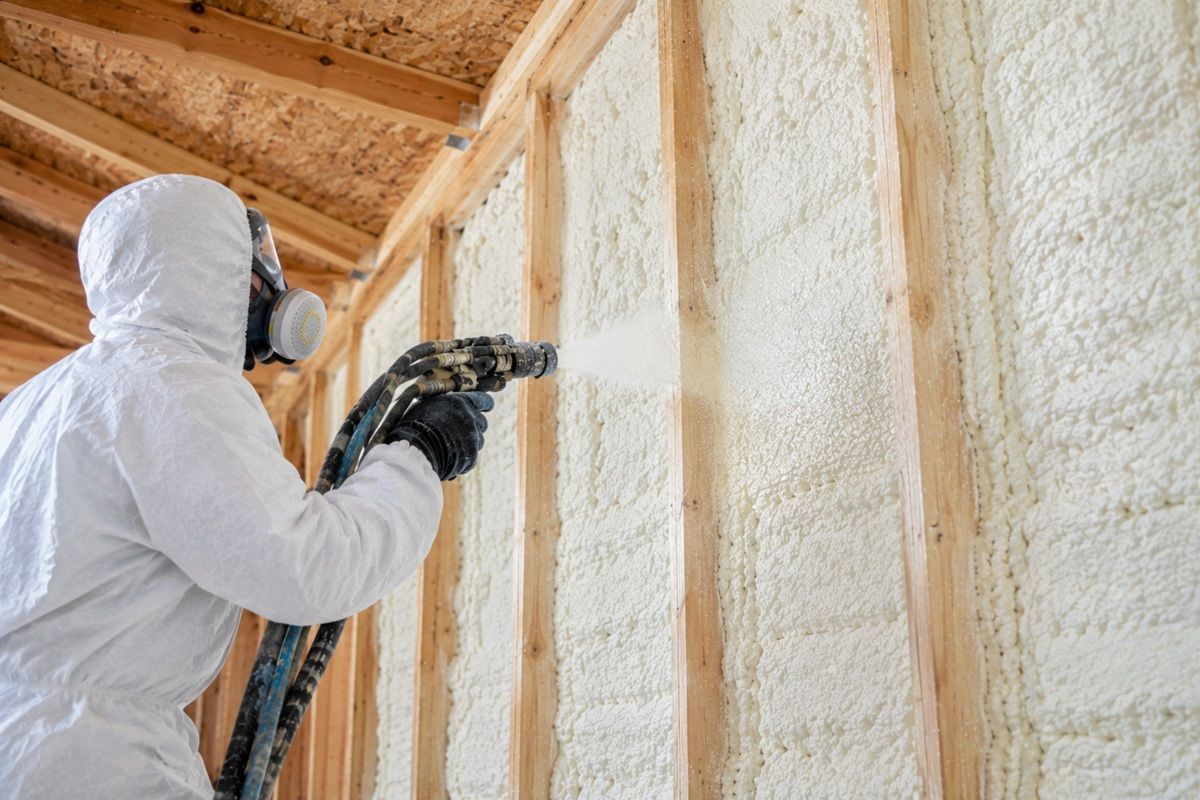
Professional installation typically includes evaluating the area, preparing surfaces, protecting surrounding spaces, setting up specialized equipment, and applying the foam in controlled passes. Technicians should follow product requirements and appropriate safety procedures throughout the work. Proper preparation and application are important for achieving consistent coverage and avoiding problems caused by unsuitable surfaces or building conditions. The foam is much more effective when the substrate is properly prepared and the application follows the product's specified installation requirements.
Bryan Spray Foam Insulation
Get Your Free Estimate from Our Local Contractors
Request a professional contractor for attics, walls, rim joists, and crawl spaces. The service helps improve air sealing, moisture control, and indoor comfort.
Service Areas: Proudly serving Bryan,
College Station,
Navasota,
Hearne, and surrounding areas.