
Crawl Space Insulation in Bryan, TX
Homes in Bryan, TX can experience heat transfer, air movement, and moisture concerns beneath the floors. Our trained service professionals evaluate existing materials, ventilation, moisture conditions, and access before selecting an appropriate approach. Depending on the property, solutions may include fiberglass batt insulation, spray polyurethane foam, air sealing, or a vapor barrier to create a more stable and protected area.
Get a free quote
Services Available
Insulating Crawl Spaces for Better Moisture Control
Bryan's hot summers and humid conditions can create challenging environments beneath residential properties. Proper thermal coverage works alongside air sealing and moisture-management measures to help reduce temperature changes and limit unwanted moisture movement. Excess humidity can contribute to condensation, musty odors, mold, and deterioration of building materials when underlying sources are not addressed.
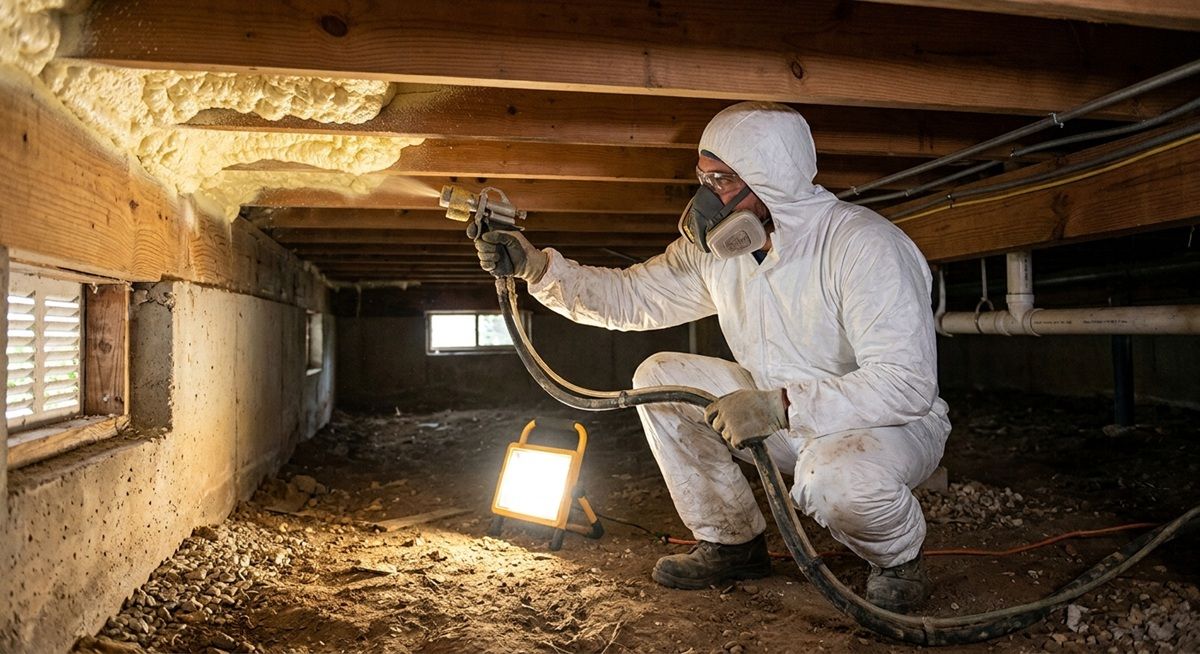
Encapsulation, when appropriate for the property, can be combined with closed-cell spray foam in suitable areas to improve air sealing and moisture resistance. The specific application depends on the crawl space foundation, existing ventilation, moisture conditions, and construction of the home, including how the wall assemblies and vent openings affect airflow.
Beyond moisture management, improving the thermal boundary beneath a home can support more consistent indoor temperatures and reduce unwanted heat transfer. A properly evaluated approach can also help protect the subfloor and floor assemblies while supporting HVAC performance and heating and cooling efficiency. For some homes, the insulation pathway may connect with areas such as the attic and other parts of the building envelope.
Stop Energy Loss
Common Crawl Space Moisture and Insulation Problems
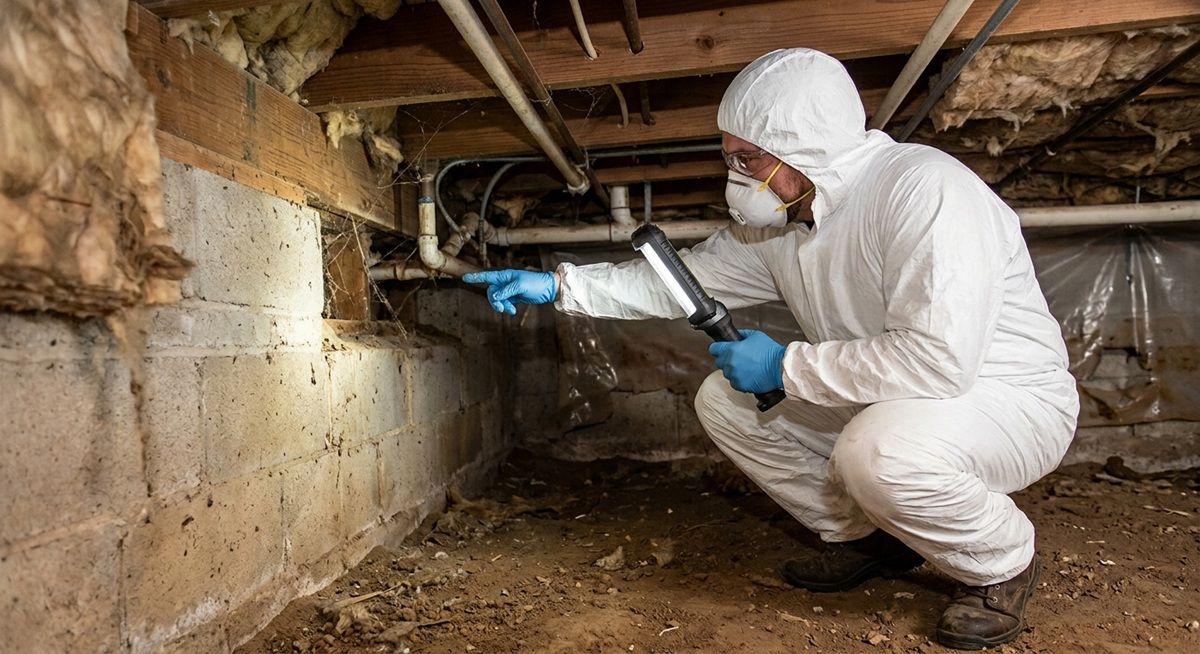
Even when an underfloor area has some moisture protection, existing conditions may still create problems. Texas humidity can contribute to damp surfaces, condensation, musty odors, mold, and deterioration of older materials. Fiberglass batt insulation that has become wet, displaced, or compressed may no longer perform as intended, often indicating that the underlying moisture or air movement should be evaluated before new insulation products are installed.
Air leakage can add to these concerns by allowing outside air to move through the area and affect conditions above. Rather than relying on a single material to solve every issue, a professional inspection helps determine whether air sealing, material replacement, moisture control, or another corrective measure is appropriate for the property. In some crawlspaces, low-density insulation may also require different placement and support details than denser materials.
24/7
Service Available
For Inquiries:
Crawl Space Assessment And Material Selection
Once the area has been evaluated for moisture, existing material, access, and other site factors, the appropriate products can be selected. Installation may involve fiberglass batt insulation, rigid foam insulation board, or spray foam depending on the home's construction and project requirements. Preparation typically includes cleaning accessible areas and addressing suitable air-sealing locations before new material is installed, with attention to code compliance where applicable.
Installation Methods And Material Placement
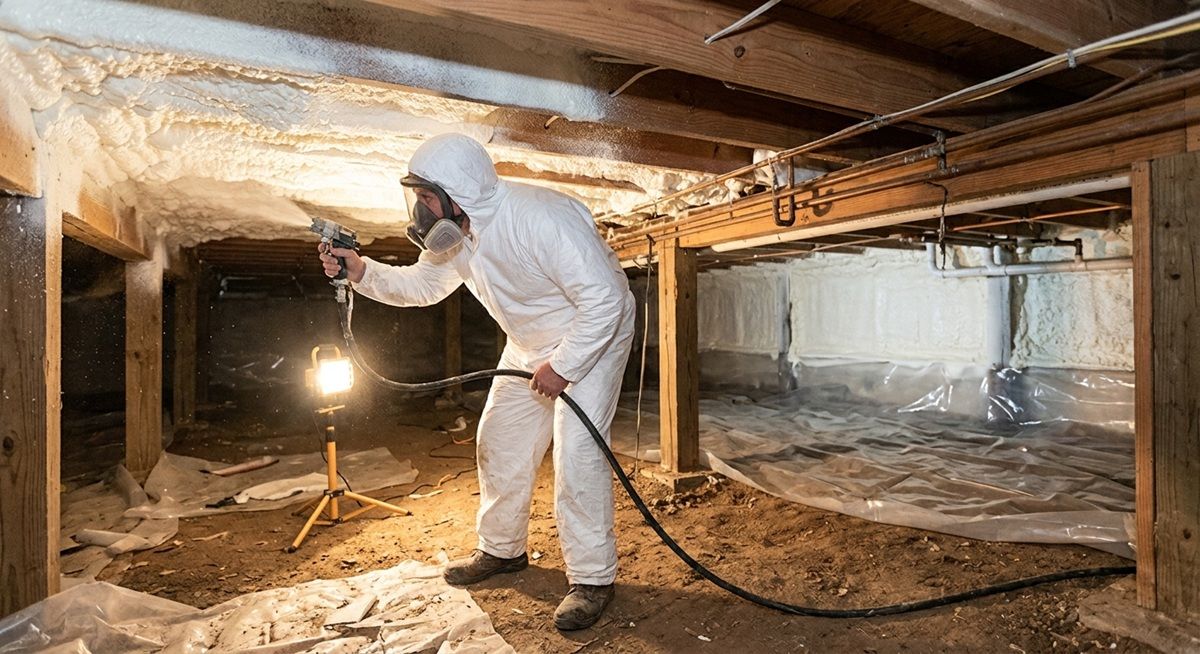
When fiberglass batts are appropriate, they can be fitted between floor joists with attention to proper support and coverage. When spray foam is suitable, trained technicians use professional-grade equipment and established application procedures to place polyurethane foam in approved areas, including appropriate joints, gaps, and assemblies. Fasteners or other support methods may be used where required to attach insulation securely to the framing.
Performance Verification And Moisture Management
Both approaches can contribute to improved thermal performance when correctly matched to the building assembly. Uninsulated sections, moisture sources, drainage concerns, and damaged materials should be addressed separately rather than concealed beneath new material. The installation should maintain an effective air barrier without restricting necessary drainage or creating an unintended pathway for moisture.
Spray Foam Cost Guide
Crawl Space Insulation Cost Factors
The cost of an underfloor project depends on several site-specific factors, including square footage, material selection, accessibility, existing conditions, preparation, and the overall condition of the space. Spray foam generally has different material and application requirements than fiberglass, which can affect the project scope and budget.
Material selection is only one part of the assessment. Tight or obstructed areas may require additional preparation, while damaged materials, moisture intrusion, or difficult access can increase the amount of work involved. A professional evaluation provides a more useful project scope than relying on a standard price range and helps a homeowner plan the investment.
For homes in Bryan, local weather conditions, construction type, foundation design, and the existing moisture-management strategy can also influence the recommended work. The area beneath the home should be reviewed for code considerations and suitable material placement before an installation method is selected, including any requirements affecting insulation performance such as an R-10 assembly.
Trusted Insulation Experts
Why Our Crawl Space Team Takes a Detailed Approach
Before installation begins, our technicians evaluate the space to identify moisture concerns, air leakage, material deficiencies, and access limitations that could affect the work. This inspection helps determine which products and application methods are appropriate for the home's specific construction and helps prevent problems caused by covering unsuitable surfaces.
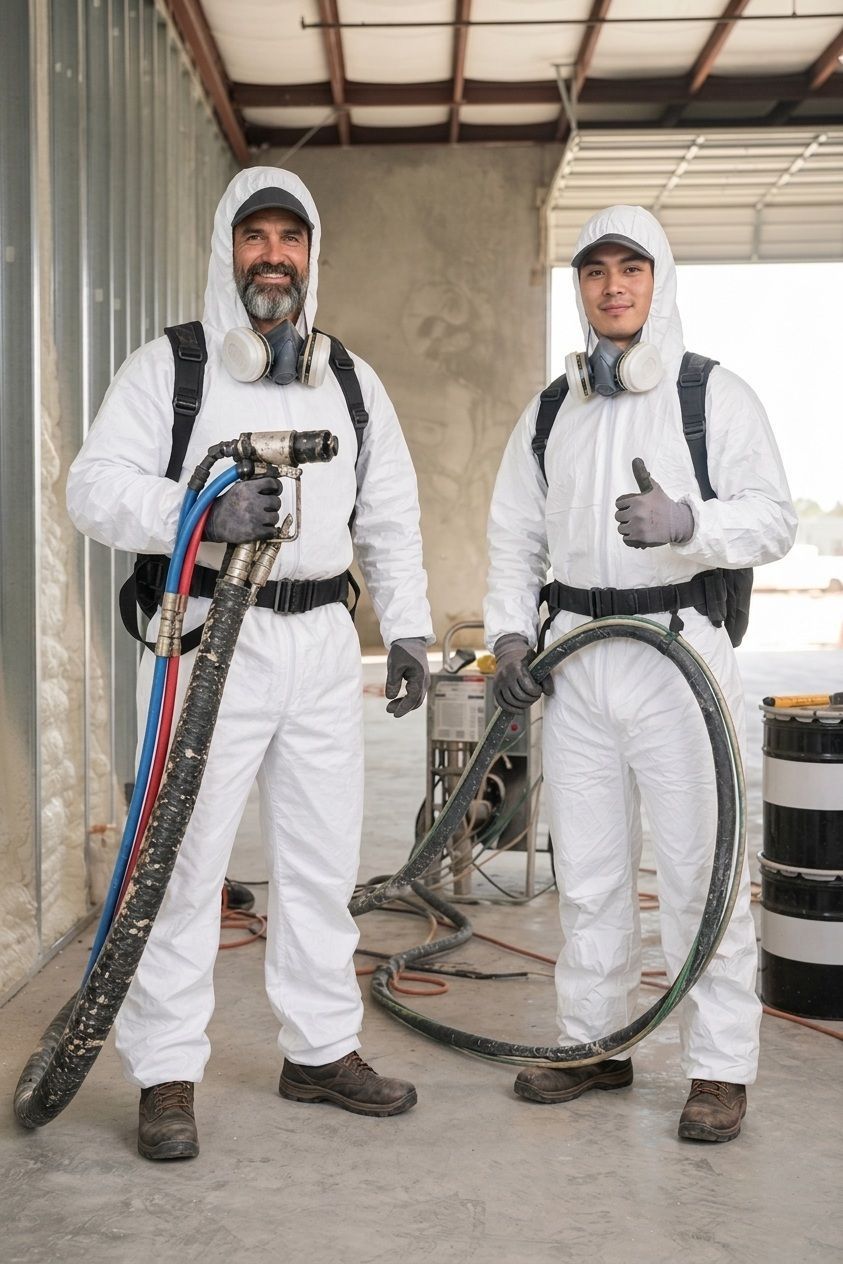
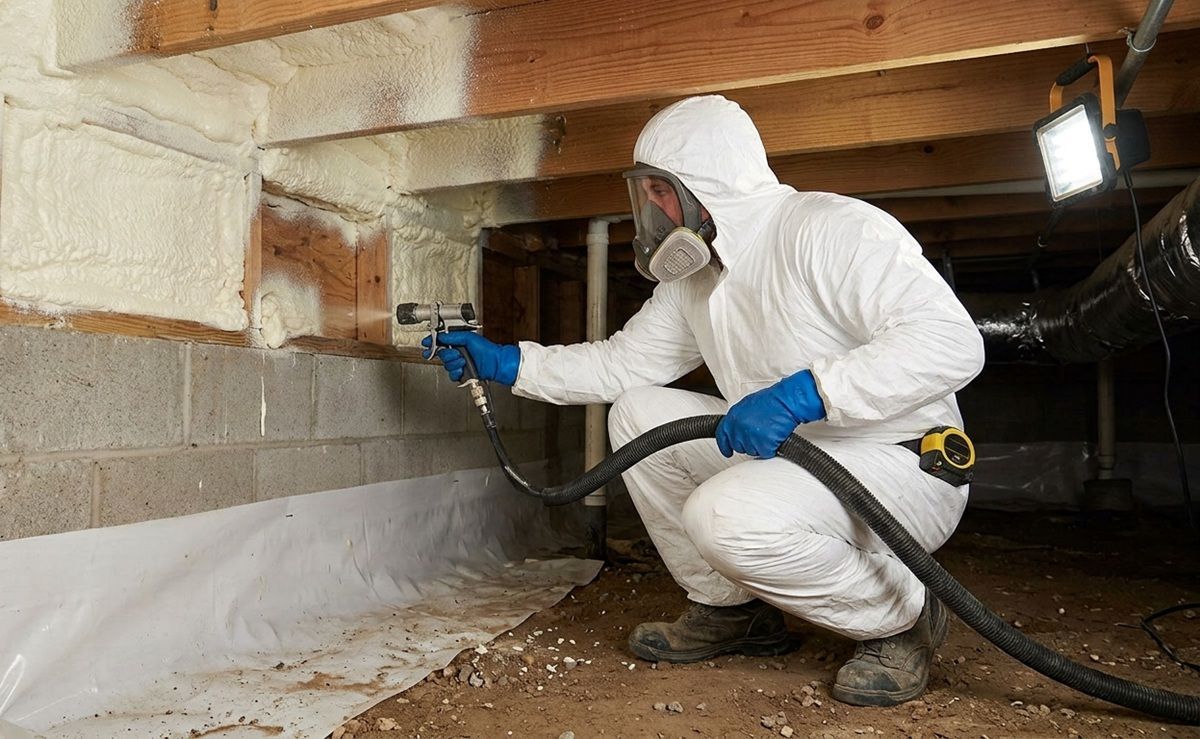
Where spray foam is suitable, trained service professionals use professional-grade equipment and established application procedures to improve air sealing in appropriate areas. Vapor barriers or other moisture-management measures may also be considered when site conditions support their use, with attention to proper attachment and perimeter details. Where insulation meets a wall or foundation surface, the selected material should be properly secured and fitted to the assembly.
Each project is approached with attention to preparation, material requirements, application conditions, and safe work practices. A final review of the completed work can help confirm that the intended areas received appropriate coverage and that visible installation concerns have been addressed without compromising air quality or required ventilation.
Trusted Insulation Experts
Recent Crawl Space Insulation Work
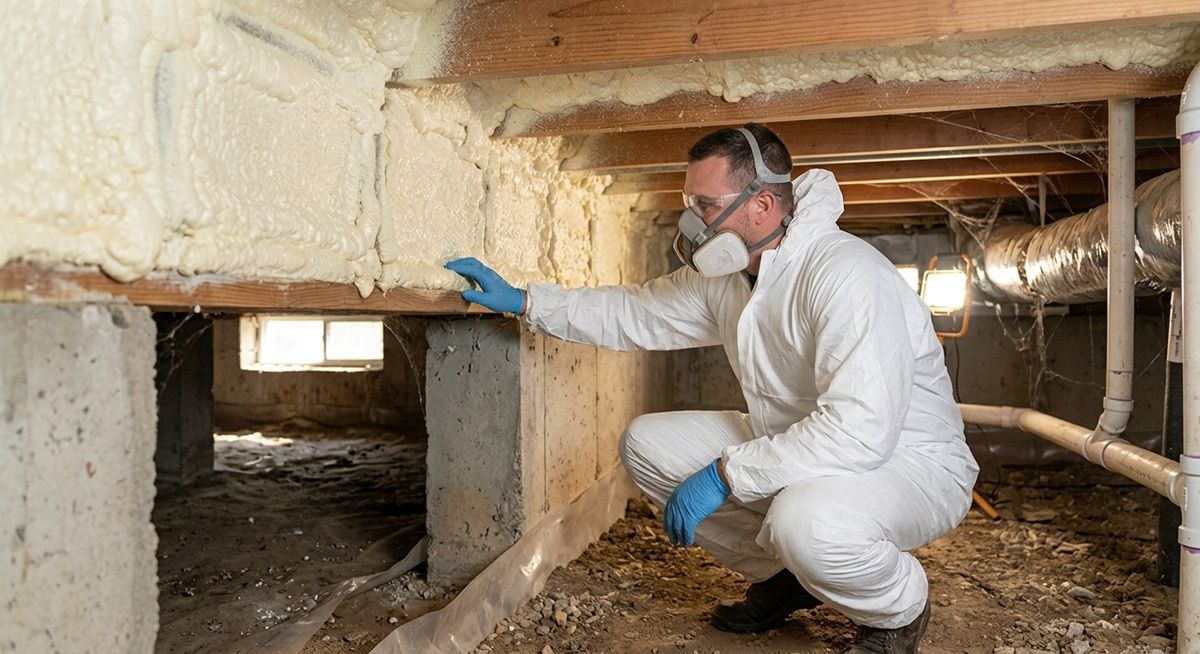
Recent projects in Bryan have included work focused on improving coverage, addressing air leakage, and managing conditions that can affect the area beneath a home. Each property requires its own assessment because foundation design, existing materials, accessibility, and moisture conditions can vary significantly.
Closed-cell spray foam may provide strong thermal resistance and air-sealing characteristics in suitable applications, while low-density foam or other products may be more appropriate for different assemblies. The recommended approach is based on the property's construction and the condition of the existing system rather than applying the same method to every home.
Projects are evaluated with attention to building-envelope performance, proper preparation, and application requirements. For homes in the Bryan area, local heat and humidity are important considerations when planning improvements beneath the living space and along connected areas of the thermal boundary, including wall and floor assemblies.
FAQs
Common Crawl Space Insulation Questions in Bryan

Need More Information on Spray Foam Insulation?
Understand your insulation options, pricing, and project timelines.
How much does crawl space insulation cost?
Project costs depend on the area's size, selected material, accessibility, existing conditions, preparation, and moisture concerns. Spray foam and fiberglass require different installation methods and equipment, so pricing can vary from one property to another. A professional assessment allows an insulation contractor to identify preparation needs and develop a project scope based on the home's actual conditions.
Is spray foam suitable for a crawl space?
Spray foam can be appropriate beneath homes when the foundation, assembly, and moisture conditions support its use. Closed-cell foam may provide useful air-sealing and moisture-resistance characteristics in suitable applications. Trained technicians should evaluate the area first and follow manufacturer requirements for equipment, application thickness, ventilation, and curing. Active water intrusion should be addressed before installation.
Does crawl space insulation help with moisture?
Insulation can improve temperature control, but it should not be treated as a complete moisture solution. Moisture management may also require air sealing, drainage improvements, ventilation changes, or a vapor barrier depending on the property. For Bryan homes, hot temperatures and seasonal humidity can contribute to damp conditions, making a professional assessment important before selecting an approach.
What is a crawl space vapor barrier?
A vapor barrier is designed to limit moisture vapor moving from exposed soil into the area beneath a home. Installation may involve covering the ground surface and properly addressing seams, edges, and penetrations according to the selected material and site requirements. An anchor or suitable attachment method may be needed at certain perimeter locations, while a technician evaluates the foundation and existing moisture conditions to determine whether this measure is appropriate.
Can insulation be installed under an existing house?
Yes. This type of work can often be completed as a retrofit beneath an existing home without requiring a major renovation. Before work begins, trained service professionals should evaluate access, existing materials, foundation conditions, moisture, and areas requiring air sealing. The appropriate product may vary by assembly, with spray foam, fiberglass, or rigid foam board considered according to the property's specific requirements.
How does Bryan's climate affect crawl space insulation?
Bryan's hot Texas climate and periods of seasonal humidity can increase heat transfer and moisture concerns in spaces beneath homes. A suitable approach should account for the home's foundation, ventilation, existing materials, and moisture conditions. Professional technicians familiar with local properties can assess these factors and recommend thermal and air-sealing measures suited to the home's construction.
What should be checked before insulating a crawl space?
Before installation, the area should be checked for standing water, leaks, condensation, damaged materials, air leakage, existing coverage, and access limitations. Addressing moisture sources before covering affected areas is especially important. Trained professionals can evaluate these conditions, identify preparation needs, and use appropriate equipment and installation procedures for the selected material.
Bryan Spray Foam Insulation
Discuss Your Crawl Space Project
The space beneath your floors can influence indoor comfort, moisture conditions, and the performance of the home's thermal boundary. A professional evaluation can identify material deficiencies, air leakage, moisture concerns, and other conditions that may need attention.
For Bryan properties, local heat, humidity, construction type, and foundation design can all affect the recommended approach. Depending on the assessment, options may include material replacement, air sealing, spray foam, or moisture-management measures suited to the property.
Our trained service professionals can review the existing conditions and explain the appropriate next steps. Contact Bryan Spray Foam Insulation to discuss your project and request an estimate based on the home's specific needs and project scope.
Service Areas: Proudly serving Bryan,
College Station,
Navasota,
Hearne, and surrounding areas.